

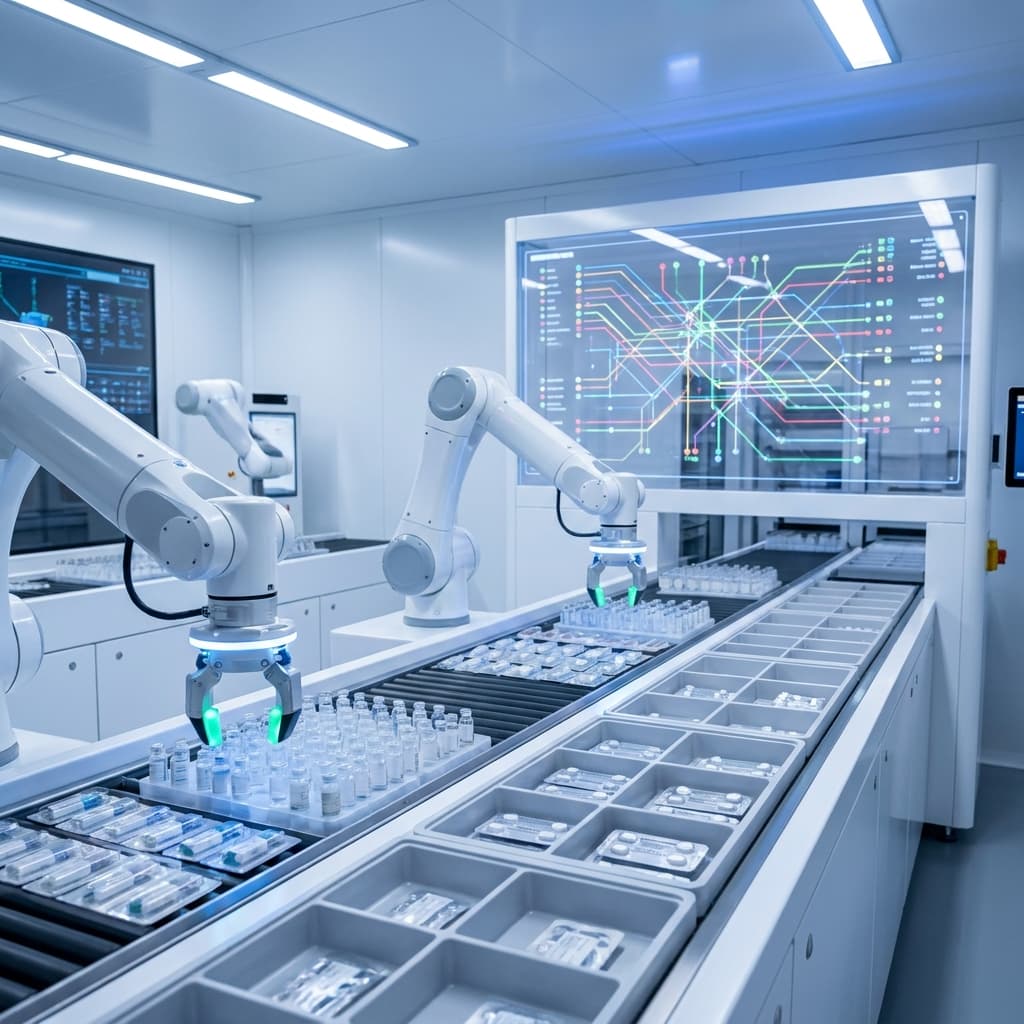
Pharmacy ordering delays create downstream chaos
When pharmacy ordering is handled through manual handoffs, delays show up everywhere, refill queues grow, patient messages increase, and staff spend too much time on status checks. Most clinics feel this pain before they realize it is a systems issue.
Automated integration changes that by moving order flow into a trackable process with clear states and fewer manual touches.

Build a single source of order truth
Teams struggle when order status lives in multiple places. A single source of truth for order creation, transmission, and status updates removes ambiguity. Coordinators can answer patient questions quickly because everyone sees the same state.
This also helps leadership identify bottlenecks by stage rather than relying on anecdotal feedback.
Automate status transitions and exception handling
Order workflows should move automatically when conditions are met. If data is missing or a status stalls, the system should route that order into an exception queue with an assigned owner. That keeps routine orders moving while the team handles edge cases deliberately.
Without exception routing, high-value staff time gets consumed by routine follow-up and inbox triage.
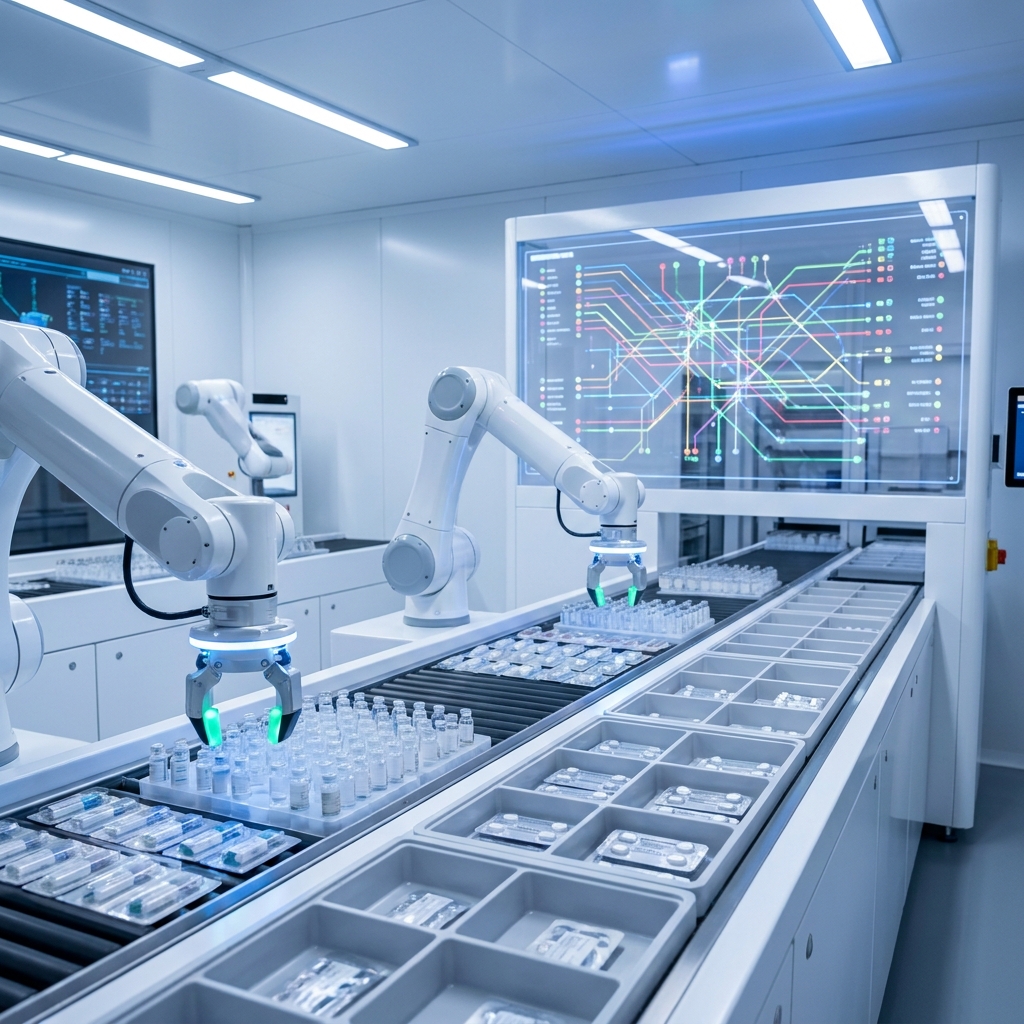
Track metrics that reflect ordering health
Focus on measurable indicators, average order cycle time, percentage of orders needing manual intervention, refill delay rate, and patient inquiry volume related to order status. These numbers show whether integration is actually reducing operational friction.
If cycle times are improving but exception rates are not, the workflow likely needs better validation rules upstream.
Operational reliability is the real advantage
Automated pharmacy ordering is not just a convenience feature. It is infrastructure that protects patient experience and team capacity as your clinic grows. Reliable order flow supports retention, improves internal predictability, and lowers burnout risk.
If this is a priority for your team, map your current pharmacy process and compare it to an automated model inside Red Letter Nexus.